


“Over the years we’ve invested significantly in our field data team - focusing on producing trusted ratings. While this ensures the accuracy of our Ratings, it doesn’t allow the scale across the thousands of projects that buyers are considering.”

For more information on carbon credit procurement trends, read our "Key Takeaways for 2025" article. We share five, data-backed tips to improve your procurement strategy.
One more thing: Connect to Supply customers also get access to the rest of Sylvera's tools. That means you can easily see project ratings and evaluate an individual project's strengths, procure quality carbon credits, and even monitor project activity (particularly if you’ve invested at the pre-issuance stage.)
Book a free demo of Sylvera to see our platform's procurement and reporting features in action.
Why Waste Reduction Starts With Data, Not Discounts
In most large enterprises, rising waste management costs are not caused by aggressive pricing from waste and recycling services. They are caused by poor visibility.
When waste data is incomplete, inconsistent, or spread across dozens of contractors and sites, organisations lose control over how waste is managed — and paid for. Decisions about waste bins, waste collection frequency, treatment routes, and suppliers are often based on assumptions rather than evidence.
Common sources of overspending include:
- Containers that are too large or too small for the actual amount of waste
- Limited insight into which processors offer the best recovery outcomes
- No way to compare price versus performance across vendors
Many companies still rely on Excel-based consolidation of invoices and reports from multiple contractors. This manual approach introduces errors, hides invoice discrepancies, and makes tracking waste management performance extremely time-consuming.
The result is higher disposal costs, missed recycling opportunities, and unnecessary operational costs — even before any supplier negotiations begin.
For context on how geoFluxus approaches waste data at enterprise scale, see the geoFluxus homepage.
The Real Drivers of Waste Management Costs (And Why They’re Often Misunderstood)
In practice, waste management costs are driven by three core factors: how much waste is produced, what type of waste it is, and how often it is collected. Most cost overruns occur when one or more of these factors are poorly understood or managed in isolation.
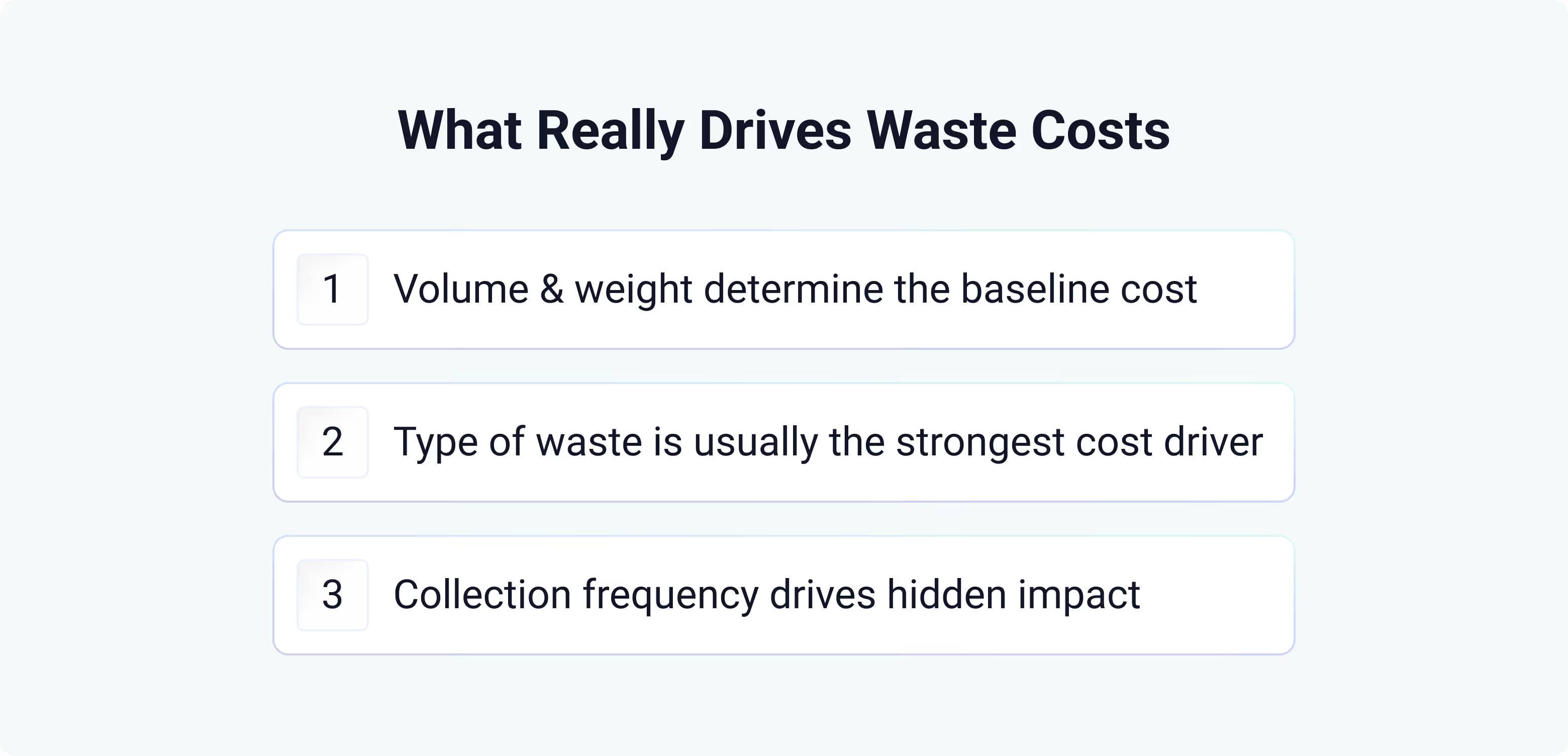
Volume and weight determine the baseline cost.
The more waste produced, the more often it needs to be handled, transported and treated. However, volume alone rarely explains why costs differ so widely between sites or over time.
Type of waste is usually the strongest cost driver.
Hazardous waste, mixed waste and poorly segregated streams are significantly more expensive to treat than clean, well-defined materials. Once recyclable materials are contaminated or misclassified, they are pushed into higher-cost treatment routes with lower recovery value.
Collection frequency often has the biggest hidden impact.
Collections are frequently scheduled based on assumptions made at contract start and left unchanged, even when waste volumes fluctuate. Each unnecessary pickup adds transport, handling and administrative cost, regardless of how full the container actually is.
When these three factors are not reviewed together, enterprises tend to focus on supplier pricing rather than the underlying cost structure, thereby missing real opportunities for cost reduction.
Invoice Errors and Missing Documentation Inflate Administrative Costs
With multiple waste and recycling services involved, invoice errors and documentation gaps are common — but their biggest impact is often internal rather than financial.
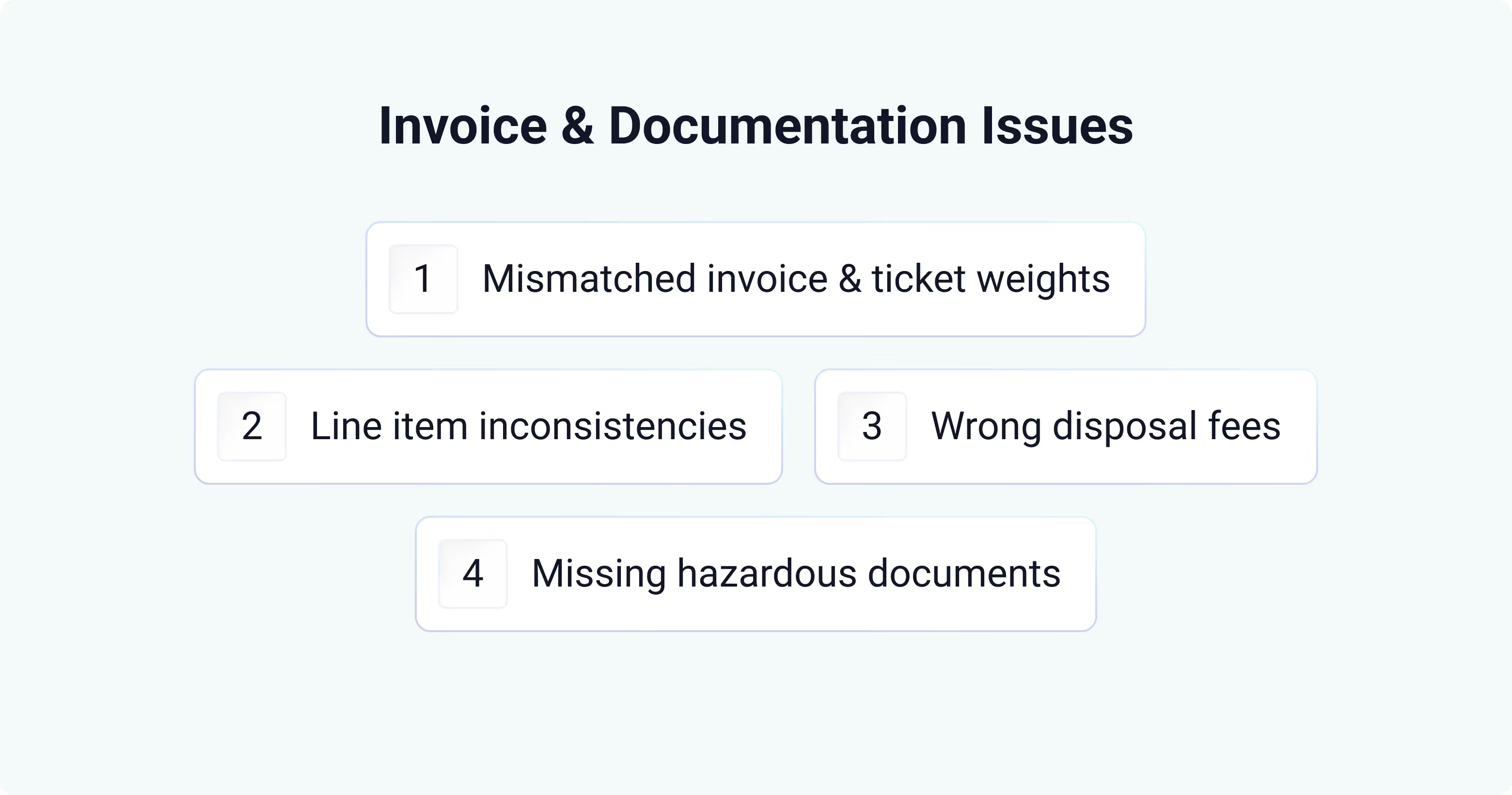
Before any invoice discrepancies are even identified, organisations incur significant administrative cost reconciling data. Finance, sustainability and operations teams spend time matching invoices to weighbridge tickets, correcting inconsistent line items and searching for missing documents needed for reporting or audits.
Typical issues include:
- Invoice weights that do not match weighbridge tickets
- Inconsistent line items across months
- Disposal fees applied to the wrong waste streams
- Missing documentation for hazardous waste
These issues rarely show up as a single large overcharge. Instead, they quietly increase internal labour costs, slow reporting cycles and create friction between teams — long before external audits begin. They create audit risk, slow reporting cycles, and force internal teams to spend weeks reconciling data.
Five Hidden Cost Leaks Companies Should Fix First
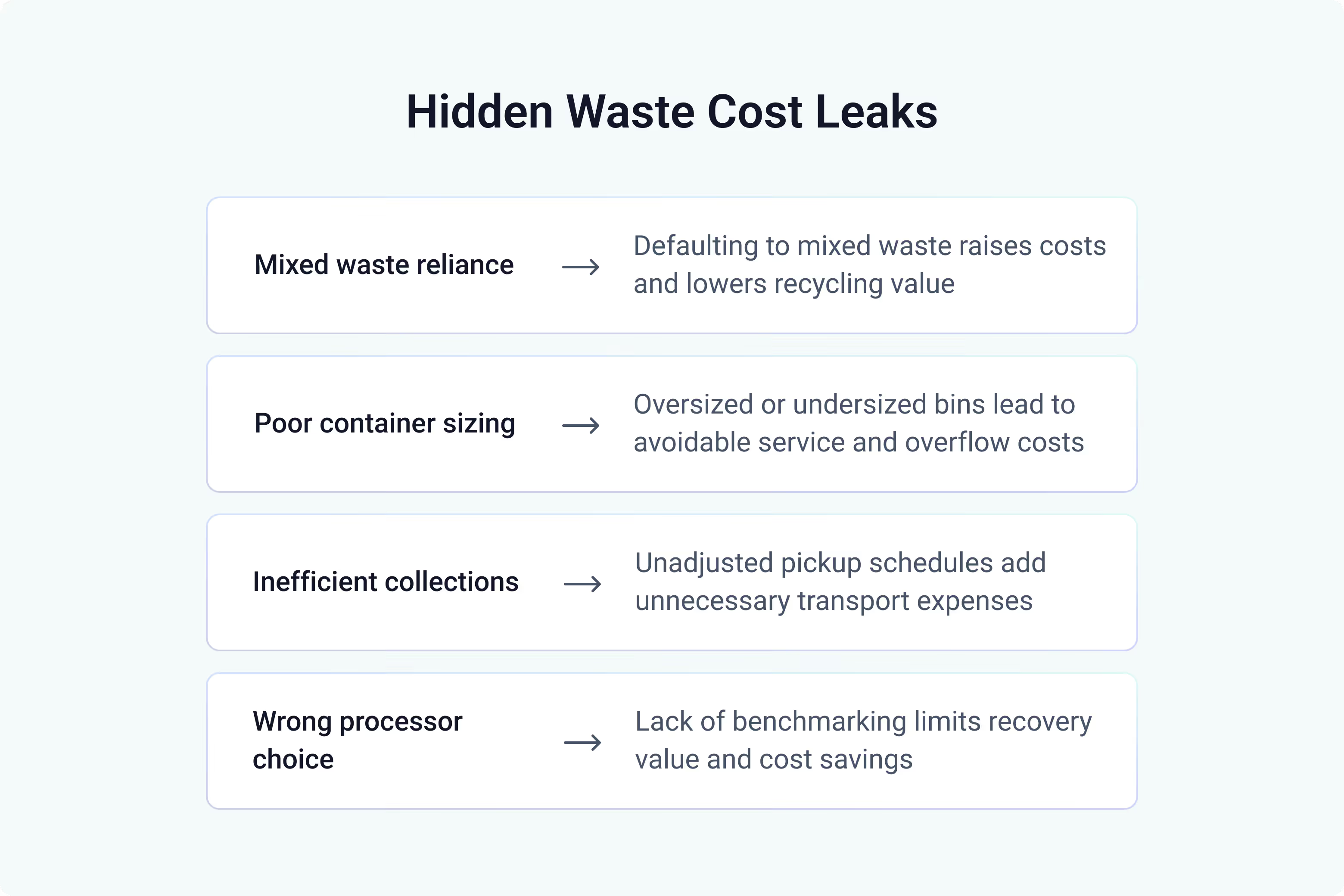
1. Overreliance on Mixed Waste
Mixed waste is often treated as a default option.
While convenient, it is usually the most expensive route and delivers the lowest recycling performance. Clean recyclable materials — including cardboard, wood, metals, and some plastics — are frequently lost in mixed waste streams, when these materials are kept clean and separated, they can offset disposal costs and, in some cases, generate revenue instead of expense.
2. Paying for “Air” Due to Poor Container Sizing
Oversized waste bins lead to paying for empty volume. Undersized bins cause overflows, contamination, and emergency collections.
Without data on actual waste volume and collection patterns, container decisions are guesswork. Right-sizing containers can deliver immediate cost savings without changing waste management programs.
3. Inefficient Collection Frequencies
Waste collection schedules are often set at the beginning of a contract, but situations can change.
Weekly pickups may continue even when bins are consistently half full. Each unnecessary collection adds transport costs, energy costs, and emissions.
Tracking waste over time reveals where collections can be reduced safely — lowering operational costs while maintaining service quality.
4. Using the Wrong Processor for Specific Materials
Not all processors perform equally.
Some recycling services achieve significantly higher recovery rates for specific waste materials. Without benchmarking, enterprises miss cost saving opportunities and higher-value recycling options.
Where Better Data Delivers Immediate Cost Reduction in Waste Management
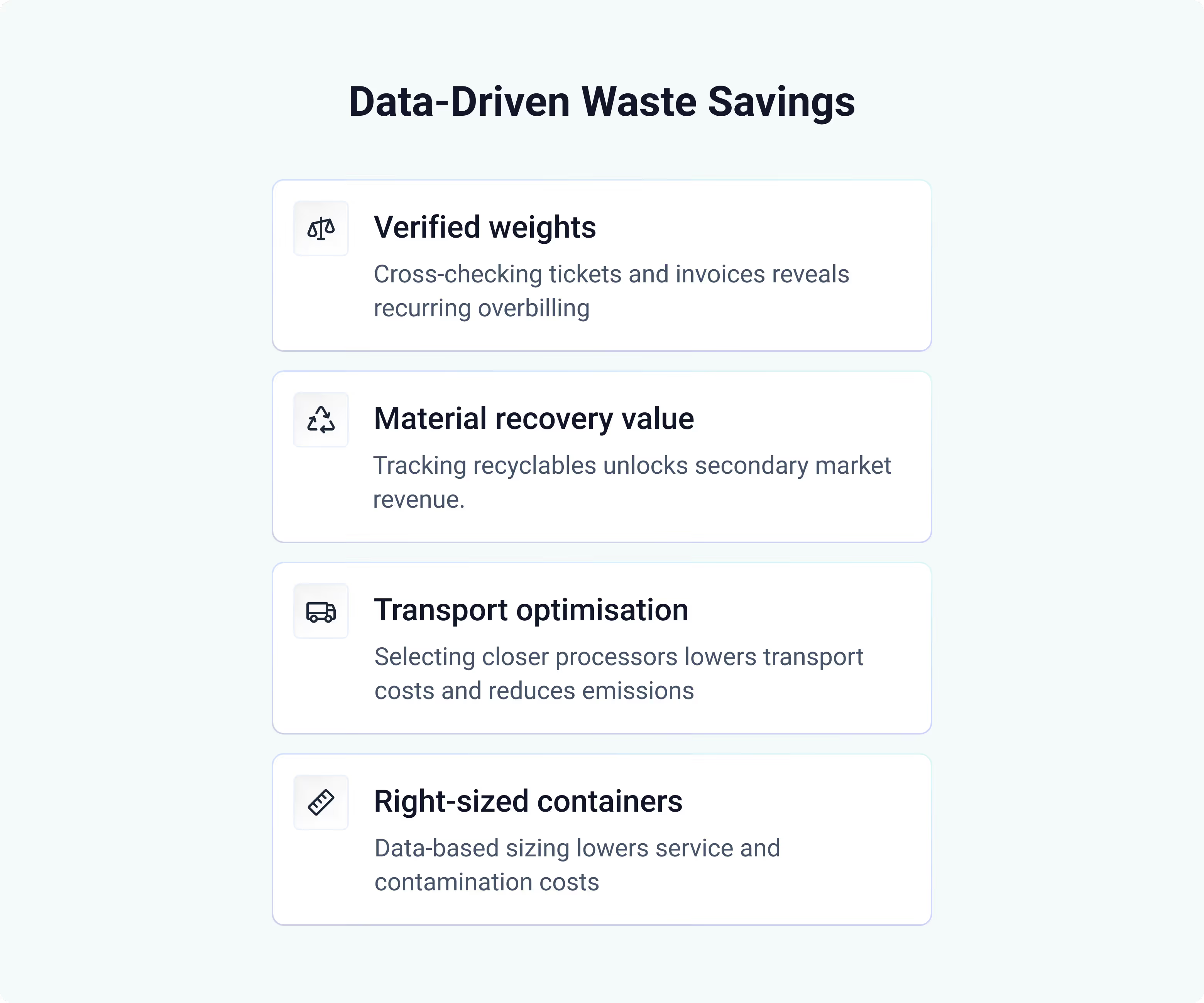
Verified Weights Reduce Overbilling
When ticket data and invoices are automatically cross-checked, discrepancies become visible.
Many enterprises discover overbilling once waste data is verified. These savings recur month after month.
Material Recovery Unlocks Value
Recovered wood, metals, organic materials, and some plastics have secondary market value.
Better tracking of recyclable materials reveals underused recycling programs and new revenue opportunities — particularly in construction, manufacturing, and food processing environments where organic waste and food scraps are common.
Transport Optimisation Cuts Costs and Emissions
Standardising processor selection by distance reduces waste disposal costs and greenhouse gas emissions simultaneously.
Lower km per tonne means lower fuel use, opportunity to negotiate lower transport fees, and improved environmental footprint metrics.
Right-Sizing Containers Improves Cost per Tonne
Data-driven container management enables:
- Fewer waste bins
- Consolidated collections
- Lower contamination rates
This improves waste management efficiency without disrupting operations.
How Compliance Challenges Inflate Waste Costs (And How Data Fixes It)
Meeting regulatory requirements such as EMJV and CSRD/ESRS E5 depends on having waste data that is accurate, complete and defensible. In theory, this is straightforward. In practice, achieving that level of accuracy across multiple sites and contractors requires substantial administrative effort.
Many organisations still build compliance views manually by consolidating invoices, tickets and reports into spreadsheets. This process is time-consuming, error-prone and difficult to repeat consistently. Gaps are often only discovered late in the reporting cycle, when teams realise that data is missing, inconsistent or unsupported by evidence.
When waste data is not centralised into a single, verified overview, the consequences escalate quickly:
- Audit timelines extend as evidence is requested retroactively
- Internal labour costs increase as teams chase contractors and rework data
- External audit fees rise due to additional review effort
- Reputational risk grows when figures cannot be explained confidently
Incorrect or inconsistent waste coding compounds these issues, turning data quality problems into compliance risks.
When waste data is centralised and verified from the start, this administrative burden drops significantly. Reporting cycles shorten, audit preparation becomes predictable, and teams spend less time assembling data — and more time managing waste effectively.
See how geoFluxus supports this via Compliance Reporting.
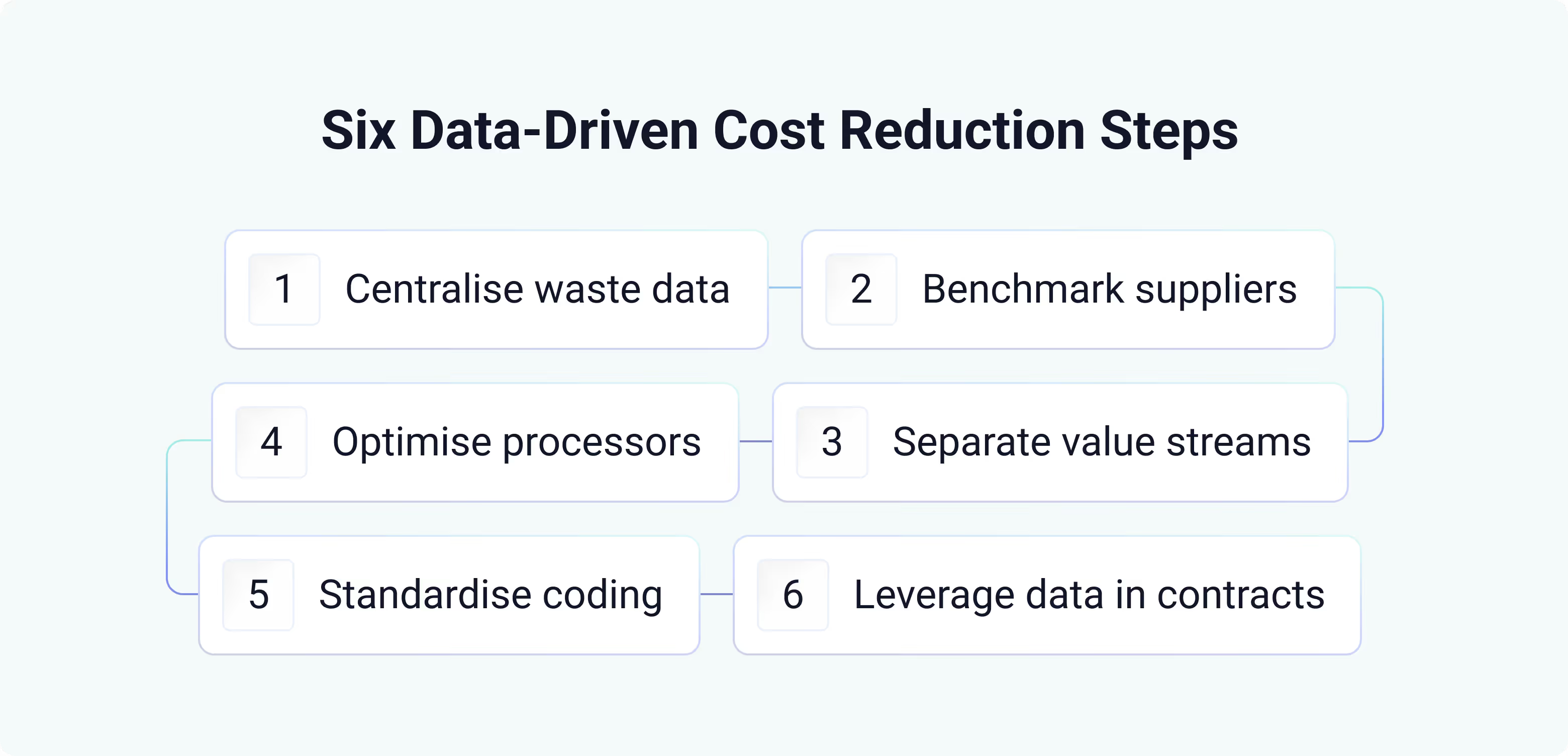
Six Data-Driven Strategies That Reduce Waste Costs Fast
1. Centralise Waste Data
A single system eliminates blind spots and manual reconciliation. Without centralisation, cost drivers remain fragmented across sites and contractors, making consistent comparison and control impossible.
2. Benchmark Suppliers on Cost and Performance
Compare €/tonne, recycling rates, distance, and service levels across sites and vendors. Benchmarking exposes price–performance gaps that are invisible when suppliers are reviewed in isolation.
Explore Performance Benchmarking.
3. Identify High-Value Waste Streams
Wood, metals, food waste, organic waste, and clean plastics often deliver significant savings when managed separately. At scale, these streams are frequently lost in mixed waste due to inconsistent segregation and limited visibility.
4. Switch to Better-Fit Processors
Closer or higher-performing processors reduce transport and disposal costs while improving recycling efforts. Processor choice often persists by habit rather than performance, locking in unnecessary cost and emissions.
5. Standardise Waste Coding
Consistent classification reduces errors, improves reporting, and reveals true cost drivers. Inconsistent coding across sites masks overpayment and inflates compliance risk.
6. Use Data in Contract Negotiations
Verified data gives procurement teams leverage. Contractors respond to facts, not estimates, especially when volumes, frequencies, and treatment routes are clearly evidenced.
How geoFluxus Supports Cost Reduction in Waste Management
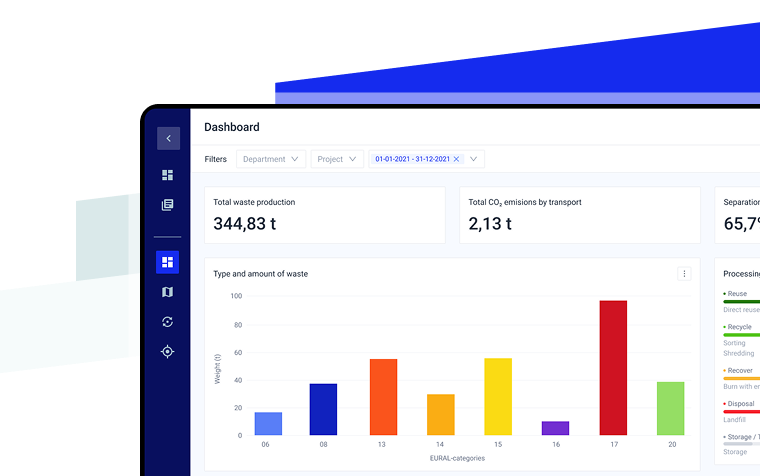
geoFluxus provides the data layer enterprises need to reduce waste management costs:
- Automated extraction of waste data from invoices and tickets
- Standardised waste coding across sites
- Supplier and processor benchmarking
- Circular material flow mapping
- Audit-ready reporting outputs
Explore:
Conclusion — Better Waste Data Means Lower Costs
Cost reduction in waste management is not about cutting corners.
It comes from understanding waste produced, improving waste management practices, and eliminating inefficiencies hidden in poor data. Verified waste data enables enterprises to reduce costs, strengthen regulatory compliance, and improve environmental impact at the same time.
geoFluxus provides the intelligence layer that makes this possible.
FAQs
What drives the biggest cost reduction in waste management?
Improved data quality — especially verified weights, correct coding, and treatment transparency.
How does poor waste data inflate costs?
It hides invoice errors, misclassification, inefficient collections, and poor processor choices.
Which KPIs matter most?
€/tonne, recycling rate, distance per tonne.
Can data help negotiate better contracts?
Yes. Verified usage data strengthens supplier negotiations significantly.
How does verified data support CSRD?
It provides auditable evidence for waste, recycling, and emissions disclosures.