Monitor your circular economy
Discover, explore, and monitor the material flows in your area. Gain insights into material and waste statistics, circular economy goals, measure your progress, and take action with the provided action perspectives.








Public sector challenges

Fragmented data

From policy goals to measurable progress

Limited insight into material dependencies

Time pressure and accountability
Built for your region
Purpose-built features for managing waste across construction projects and portfolios.
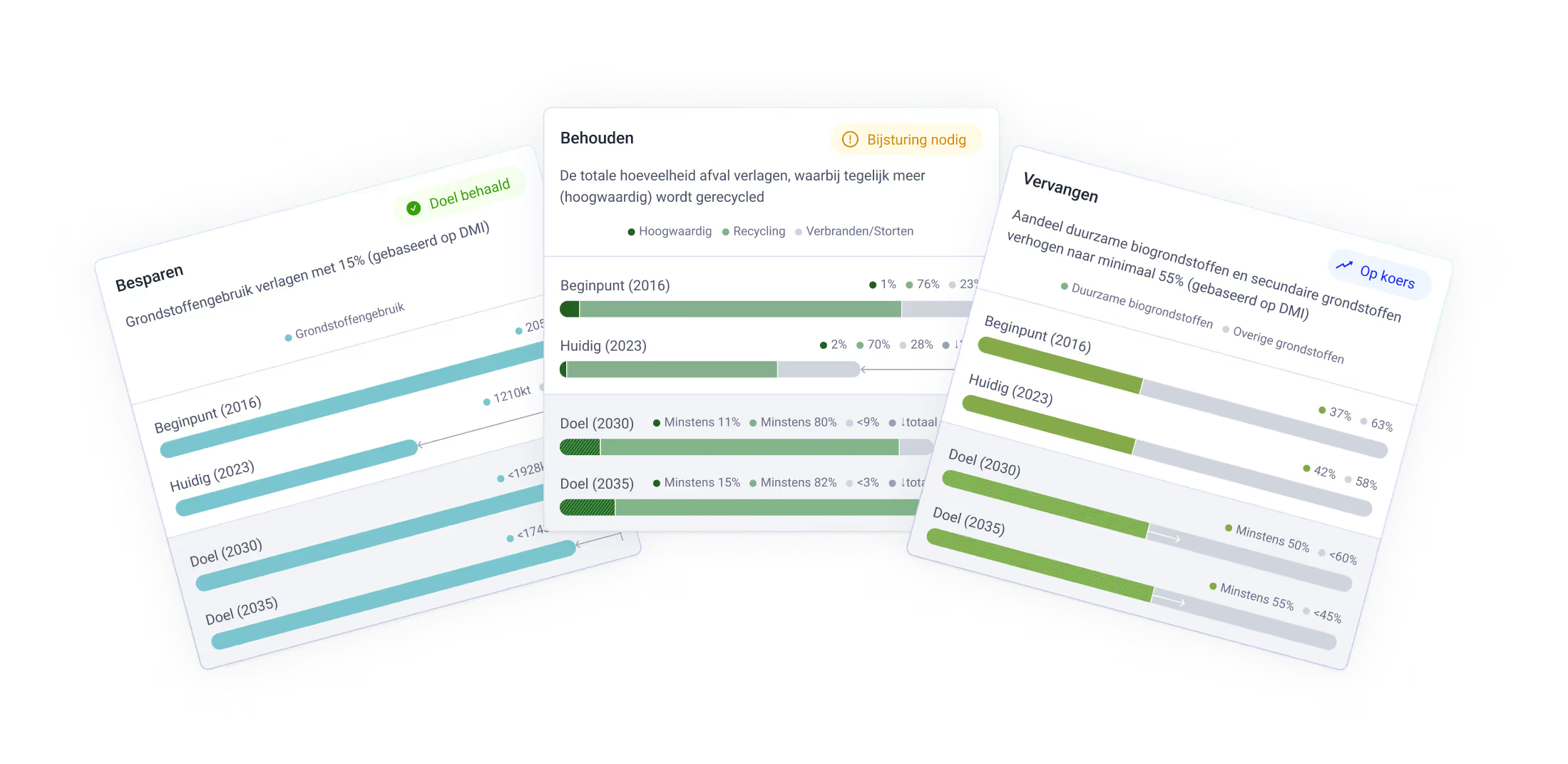

Six circular economy indicators
We translate circular economy targets into six clear, measurable indicators, providing a solid foundation for monitoring, reporting and decision-making.

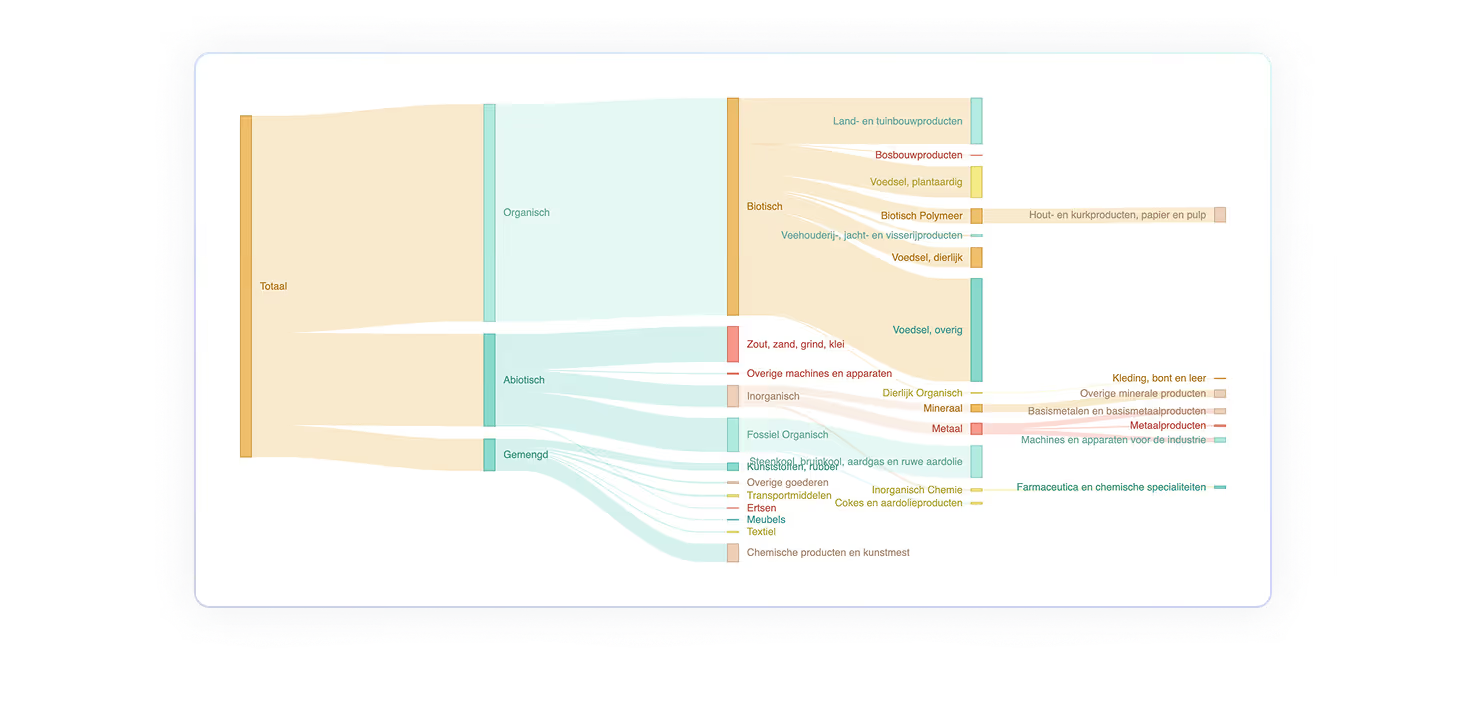
One overview of regional material flows
Seperate datasets are integrated into a single, consistent overview of material and waste flows across your region.
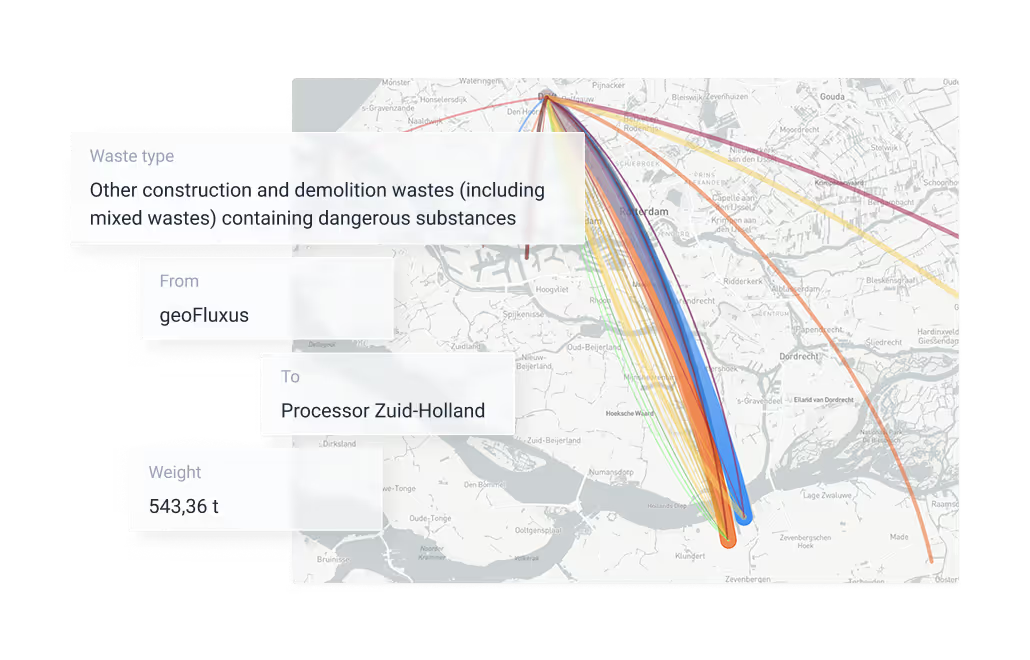
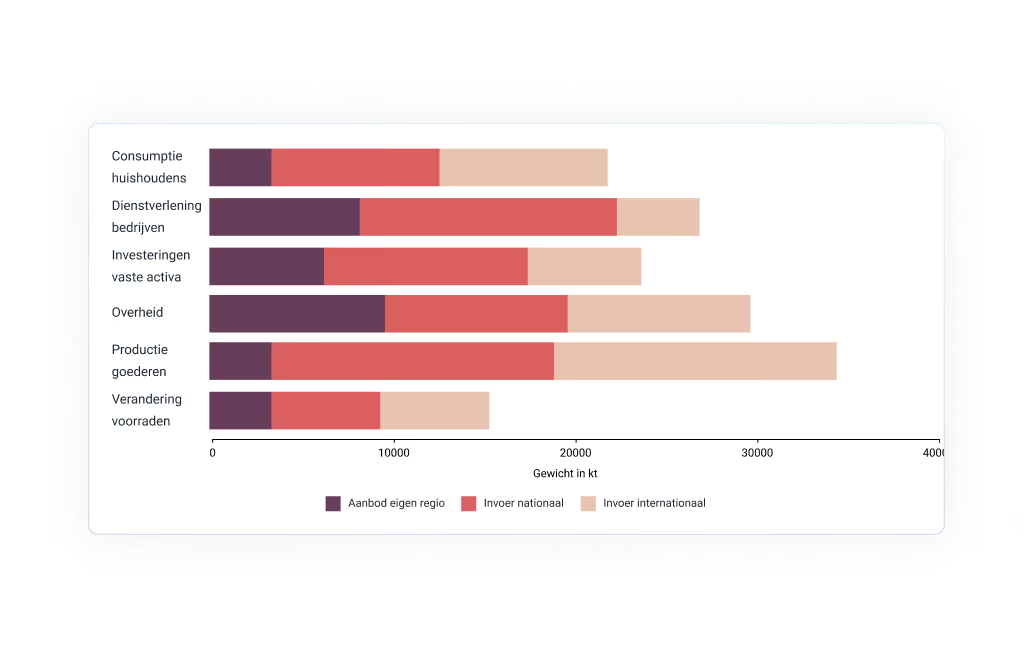

Reliable insights, ready when you need them
Access up-to-date analyses and visualisations that support timely policy decisions, accountability and public reporting.

Insight into critical materials and dependencies
Identify which materials and sectors matter most for your region, supporting informed choices on resilience, circularity and supply security.
Delivering real results


"Geofluxus significantly simplifies our reporting process. TBI and its subsidiaries extract more actionable insights from waste reports, enabling more sustainable processing of waste streams."

“GeoFluxus clarifies which waste streams can and cannot be processed locally and where the waste can be processed more sustainably. This allows us to ensure that waste streams can be processed more locally or more efficiently or more sustainably in the future..”
“The Monitor CE provides us with the circular economy tools: so we can focus our circular actions on specific sectors and teams, and have data-driven conversations with companies about where real circular impact can be made.”
“We couldn't get a good picture of our waste streams. Until we discovered geoFluxus. Thanks to their platform and support, we now have insight. For the CSRD reporting obligation from the EU, the data from 2023 are not yet needed, but as a Building Division we want to monitor now and develop a clear vision of the future.”
Frequently Asked Questions
geoFluxus provides a regional circular economy monitor that helps municipalities and provinces understand material and waste flows in their area. The monitor combines analyses, indicators, and visualizations to support policy development, progress monitoring, and circular economy decision-making.
The monitor gives insight into goods and waste streams across a municipality or province, including volumes, material specifications, and processing methods. This helps governments understand which flows matter most and where there are opportunities for more circular action.
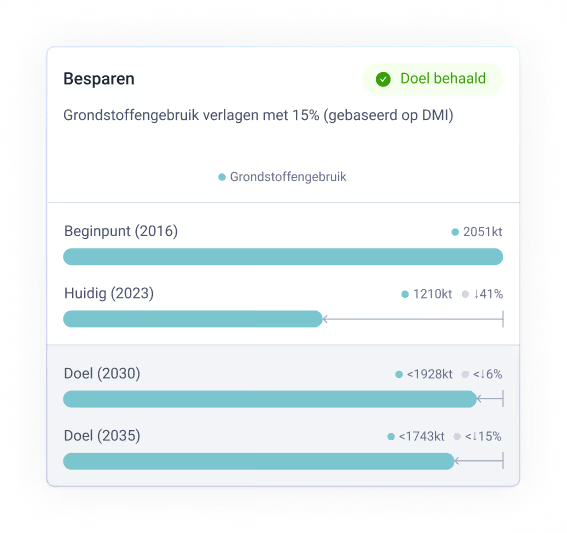
The monitor translates the goals of the Dutch National Programme Circular Economy into measurable indicators for regional monitoring. It tracks progress on the three main NPCE goals: replacing primary raw materials with secondary or renewable alternatives, reducing total raw material use, and reducing waste while increasing recycling and high-quality recycling. This helps governments connect national circular economy goals to local and regional policy decisions.
The platform provides insight into which materials and sectors matter most for your region, supporting informed decisions on resilience, circularity, and supply security.
The monitor is typically created once per year, based on the most recent complete year of available data. This gives public sector teams a reliable annual overview of material and waste flows, circular economy indicators, and progress over time.
Interested in what this could mean for your region?
Get in touch to explore how the Circular Economy Monitor can support your policy goals and monitoring needs.